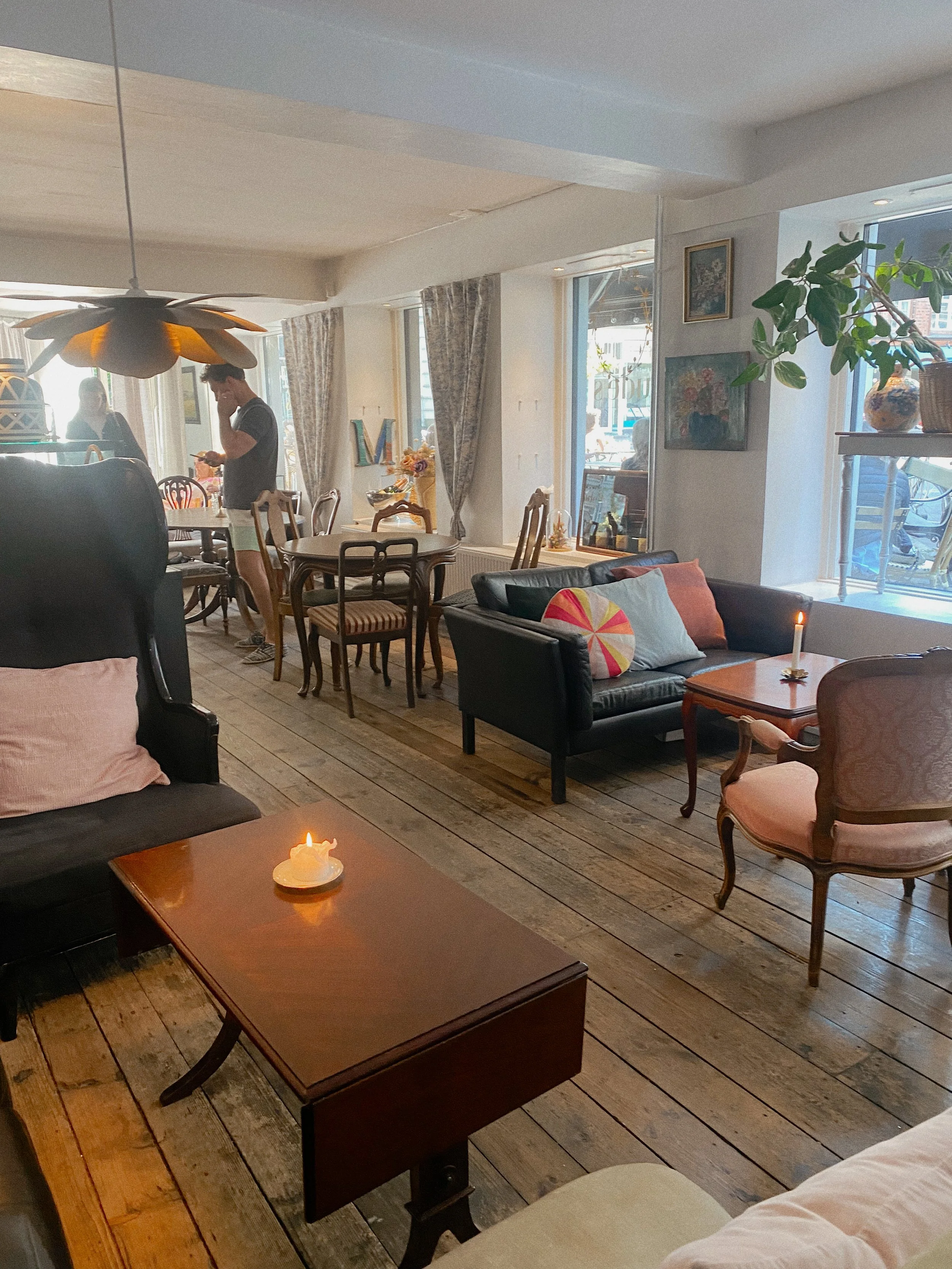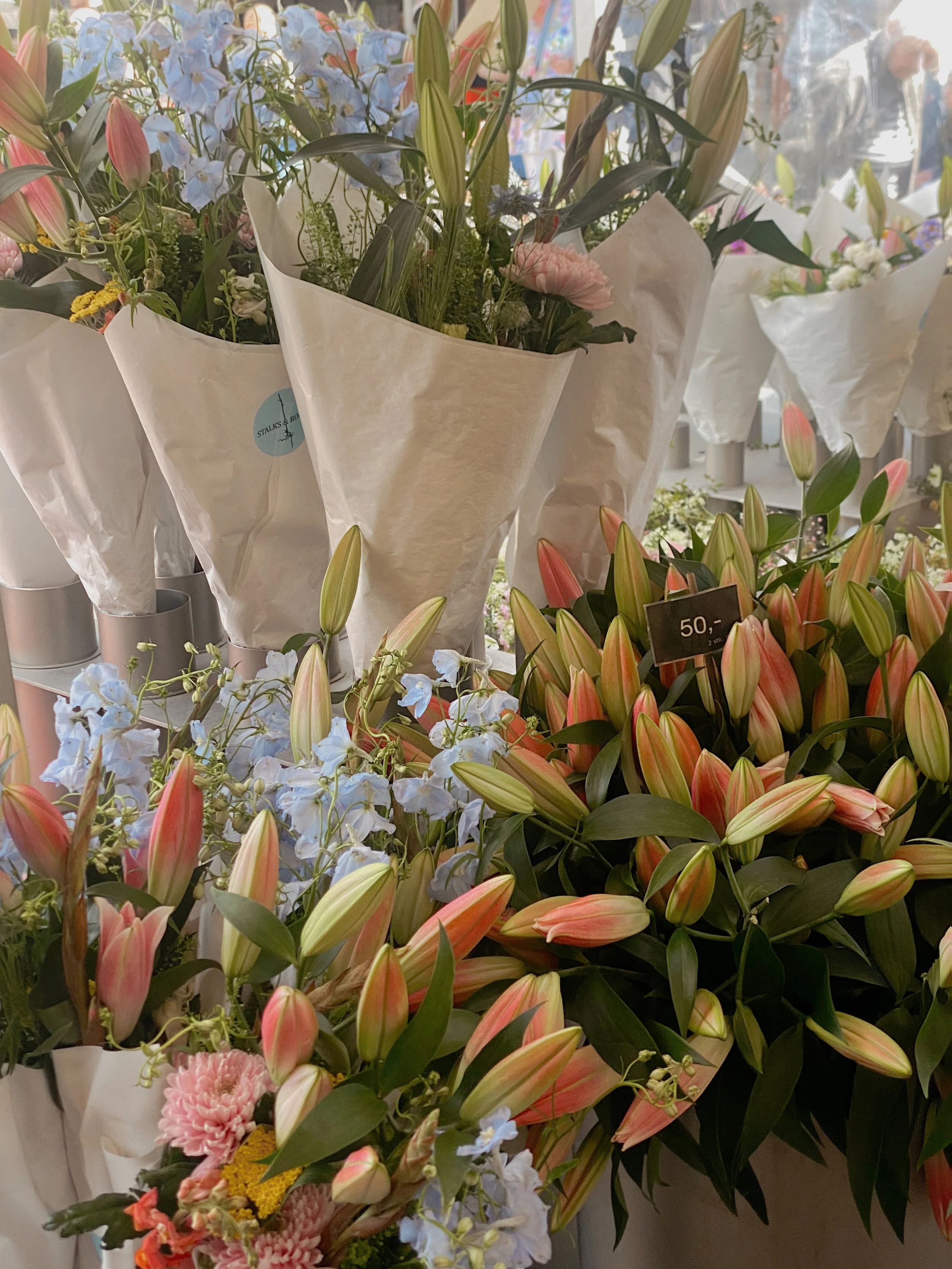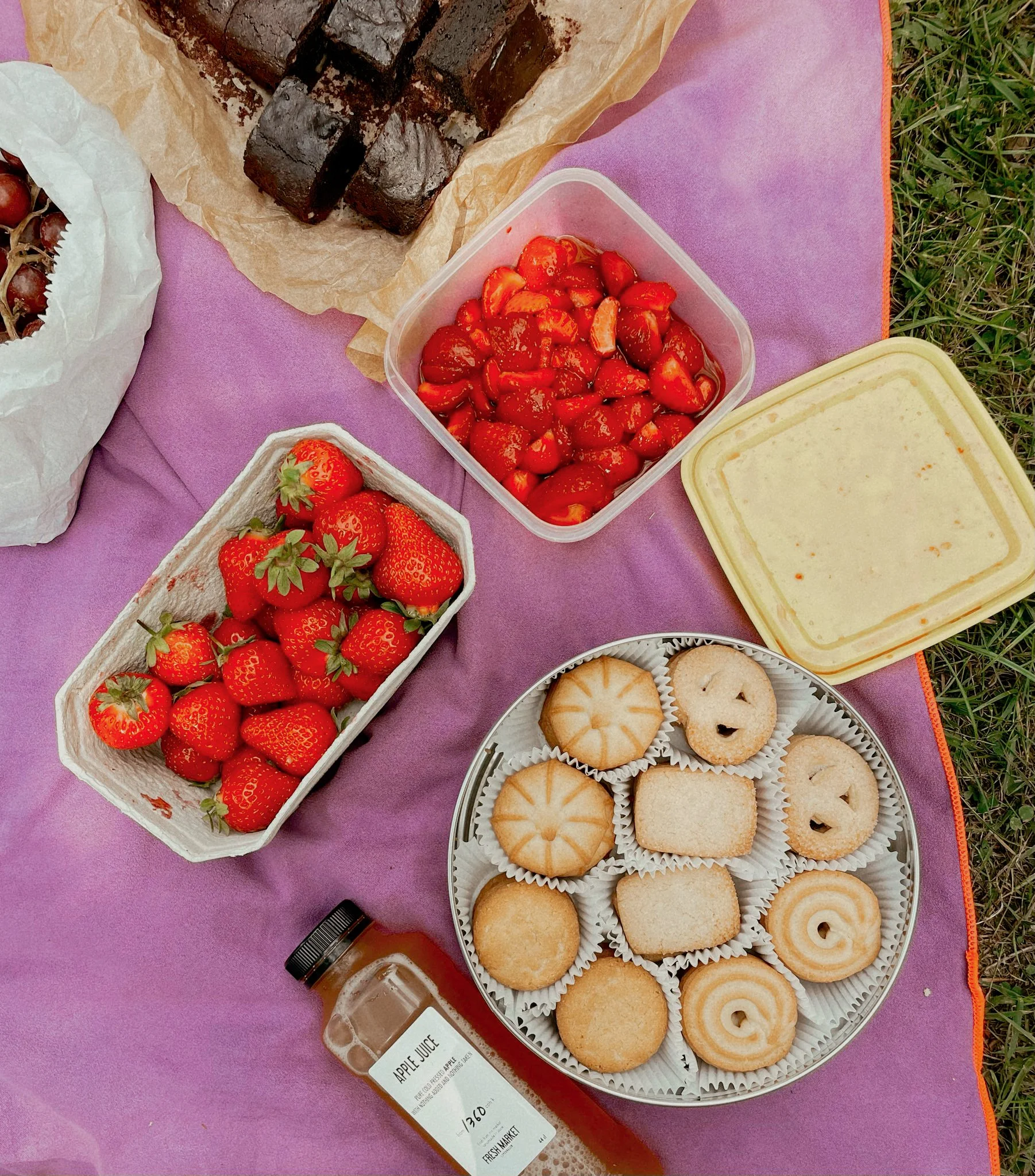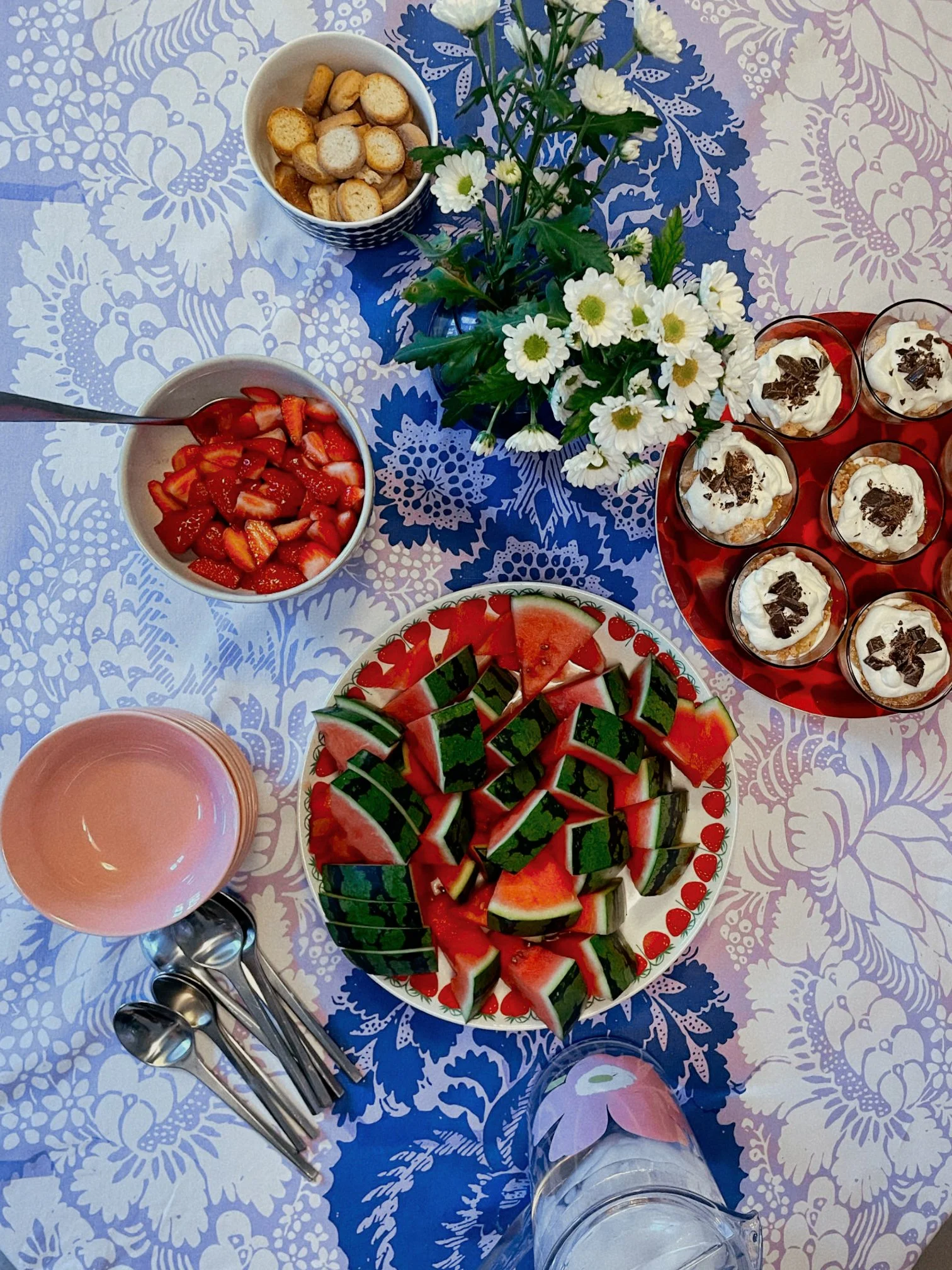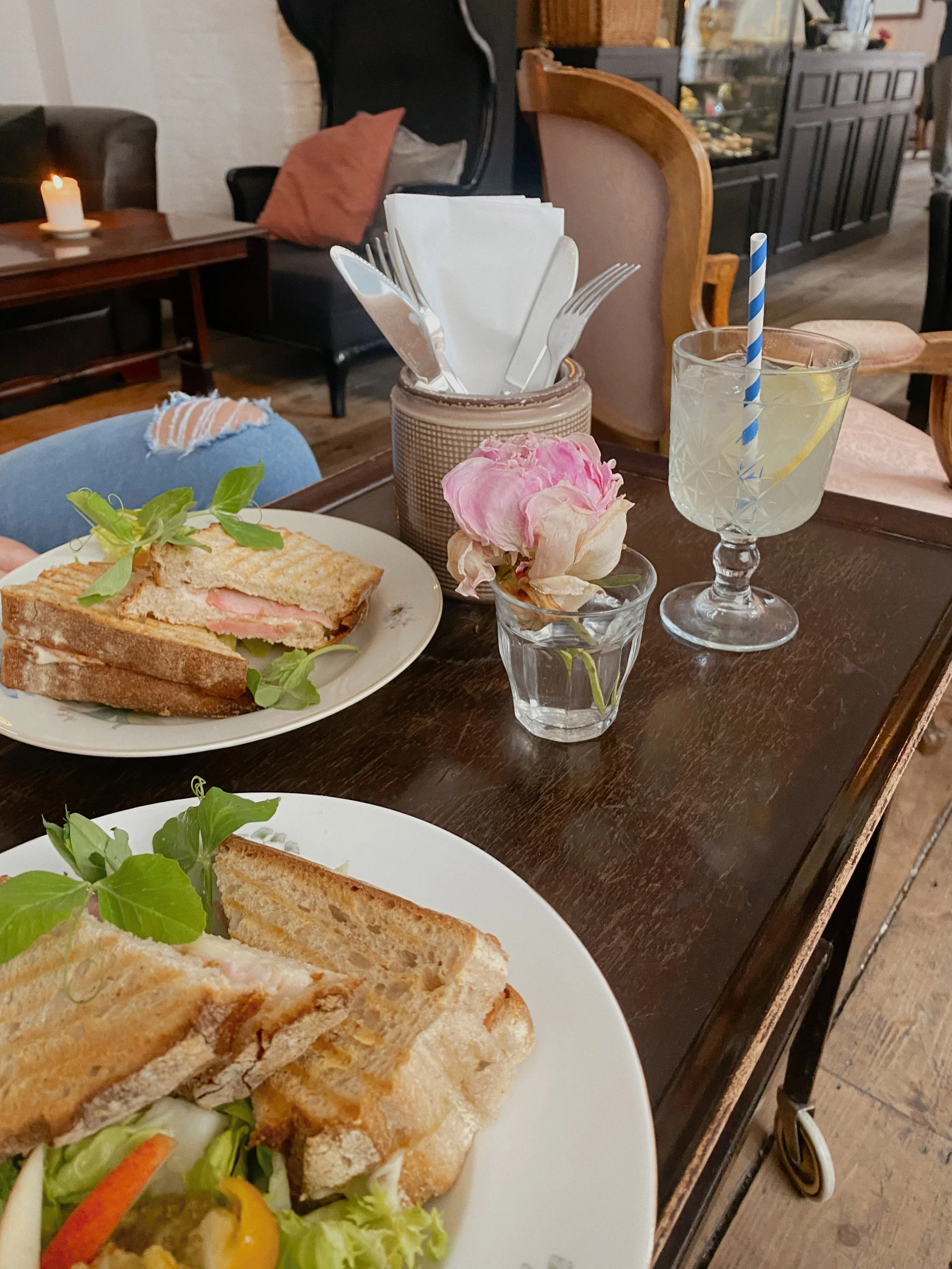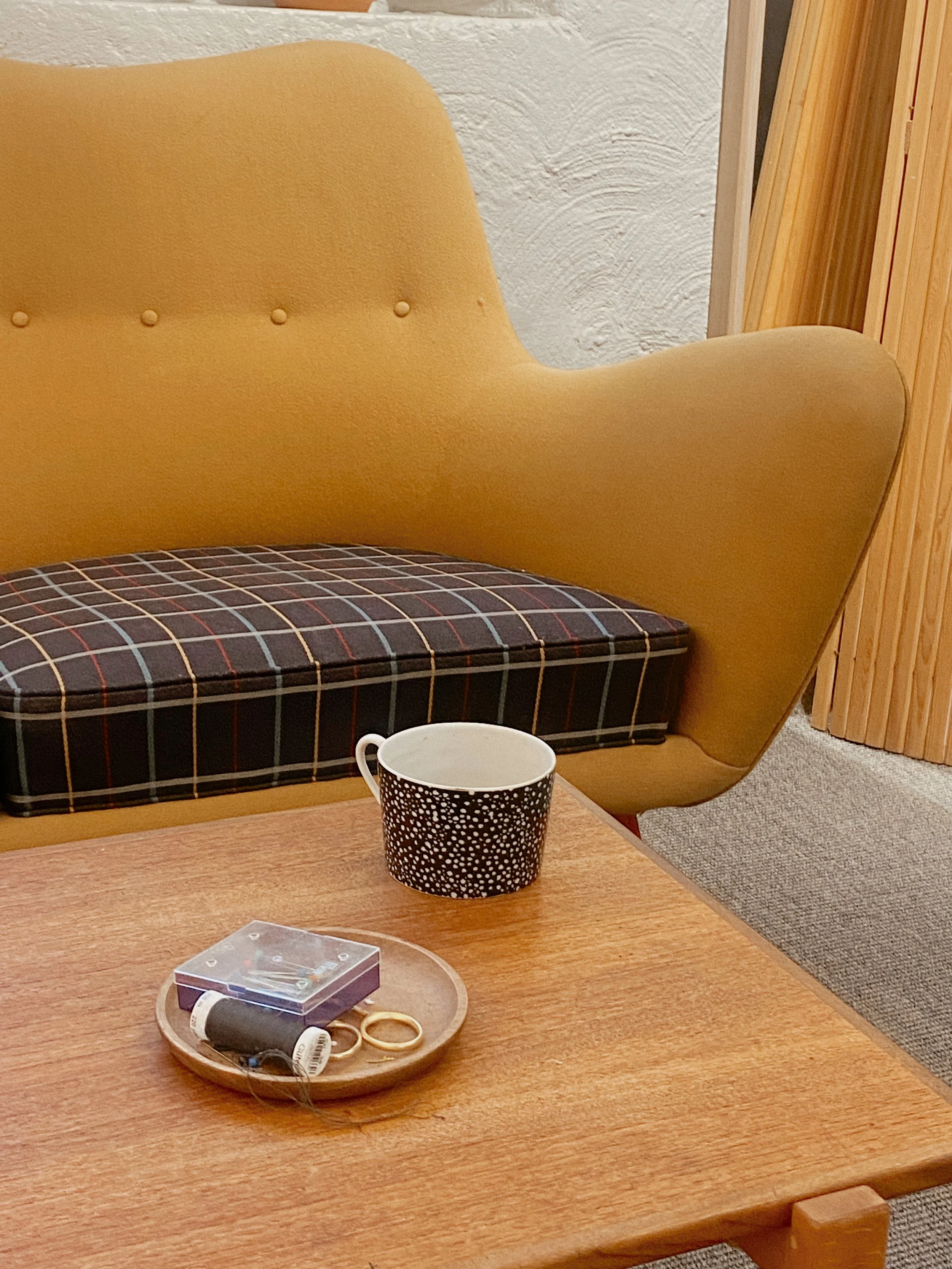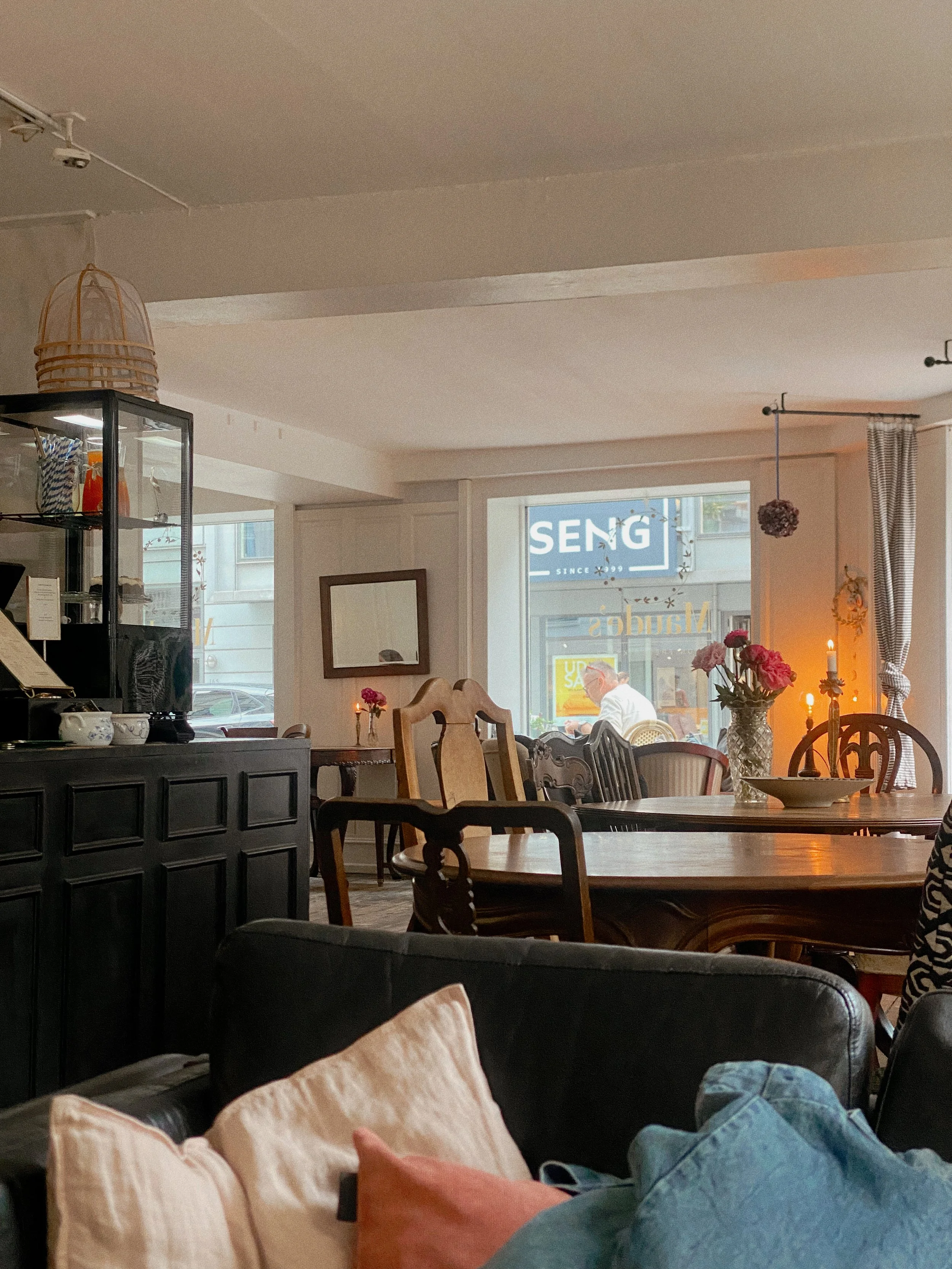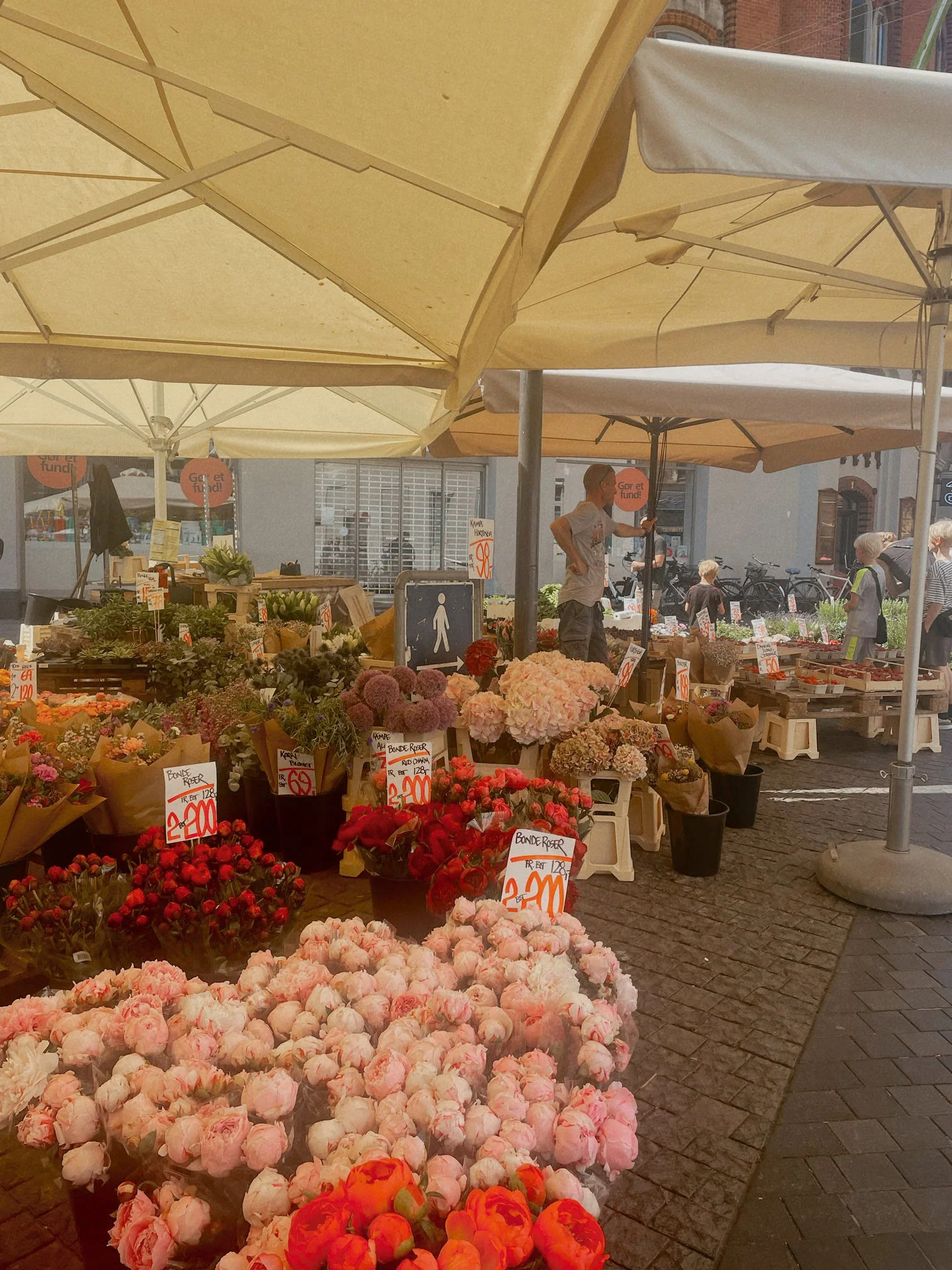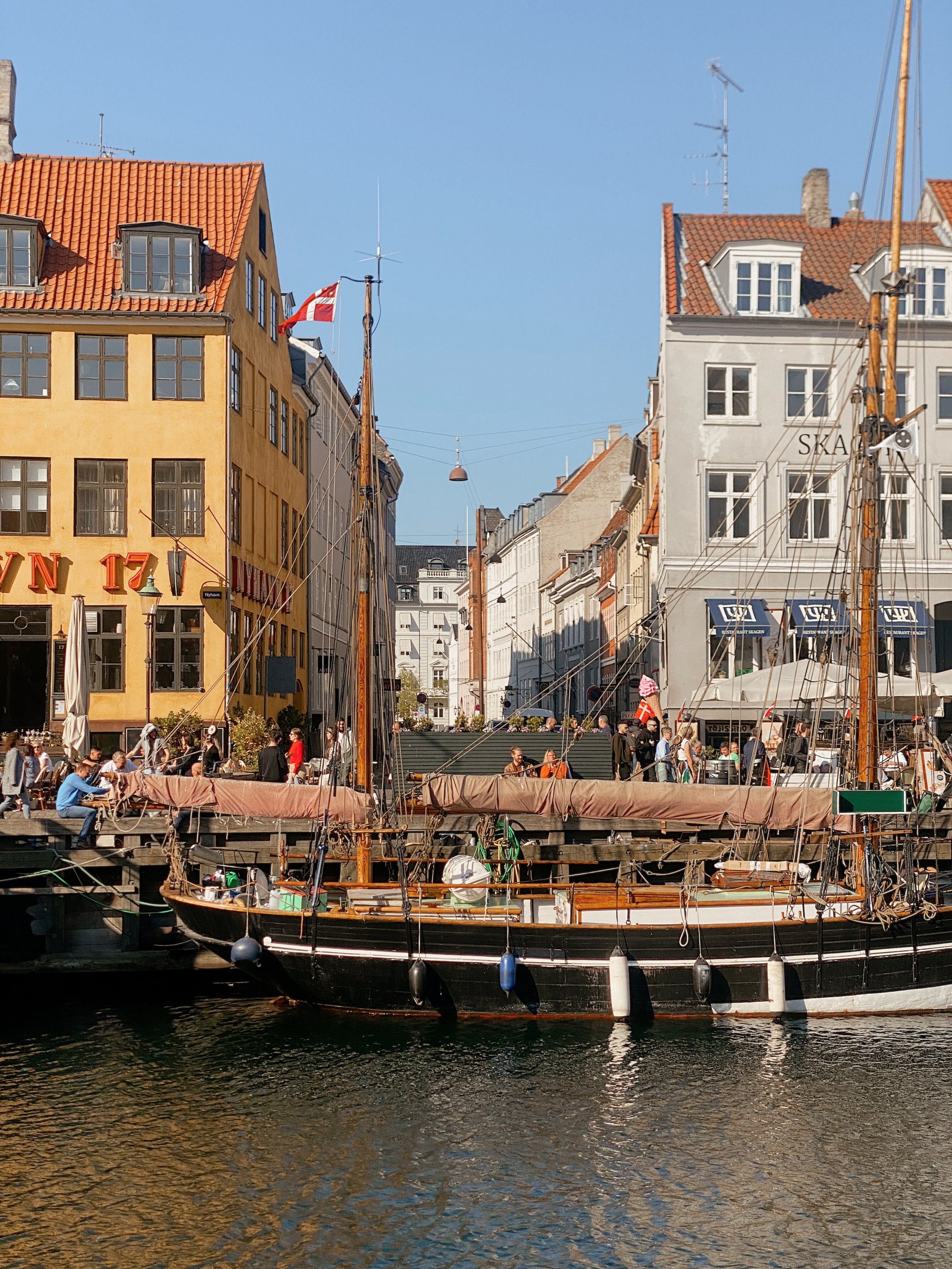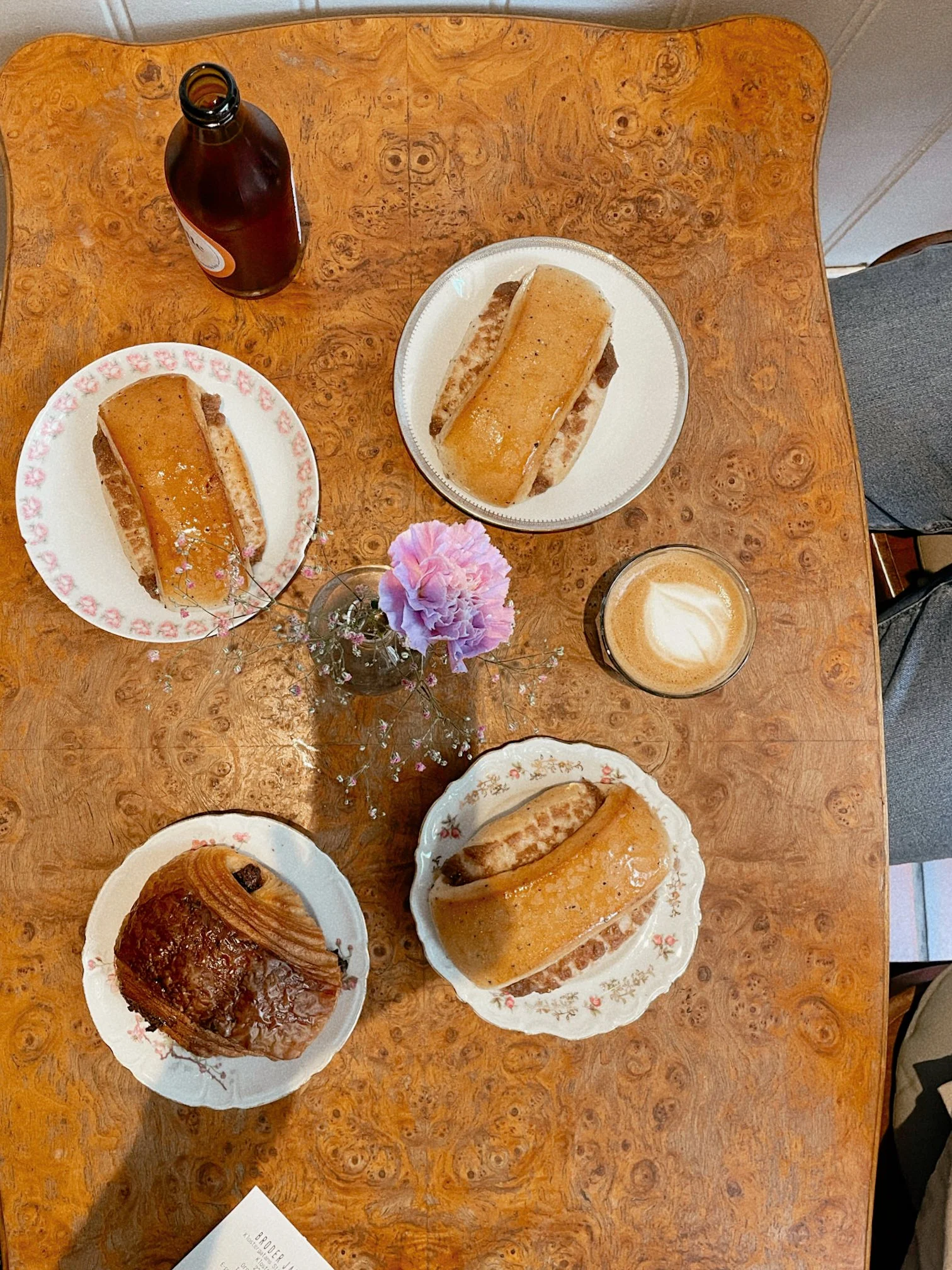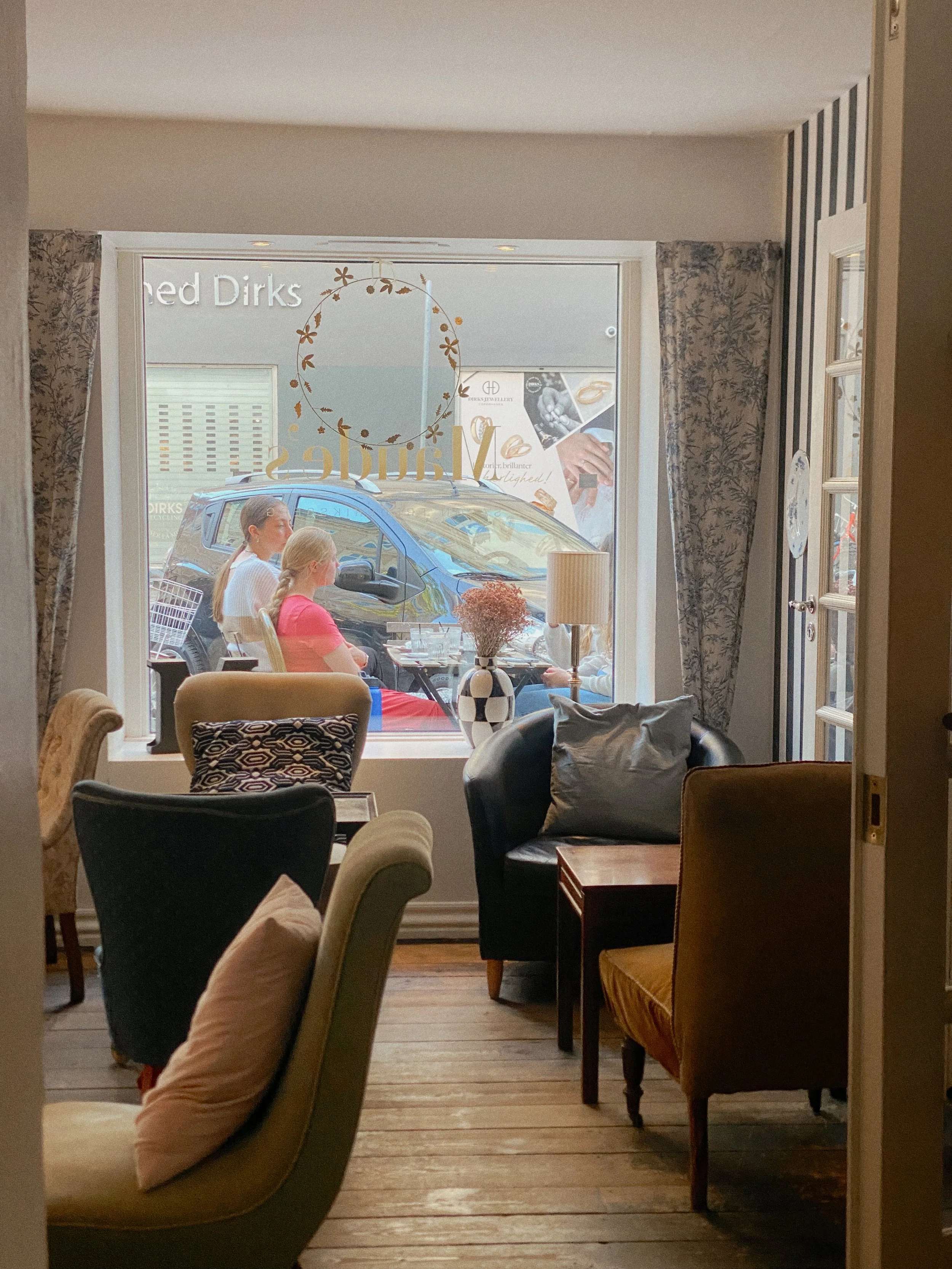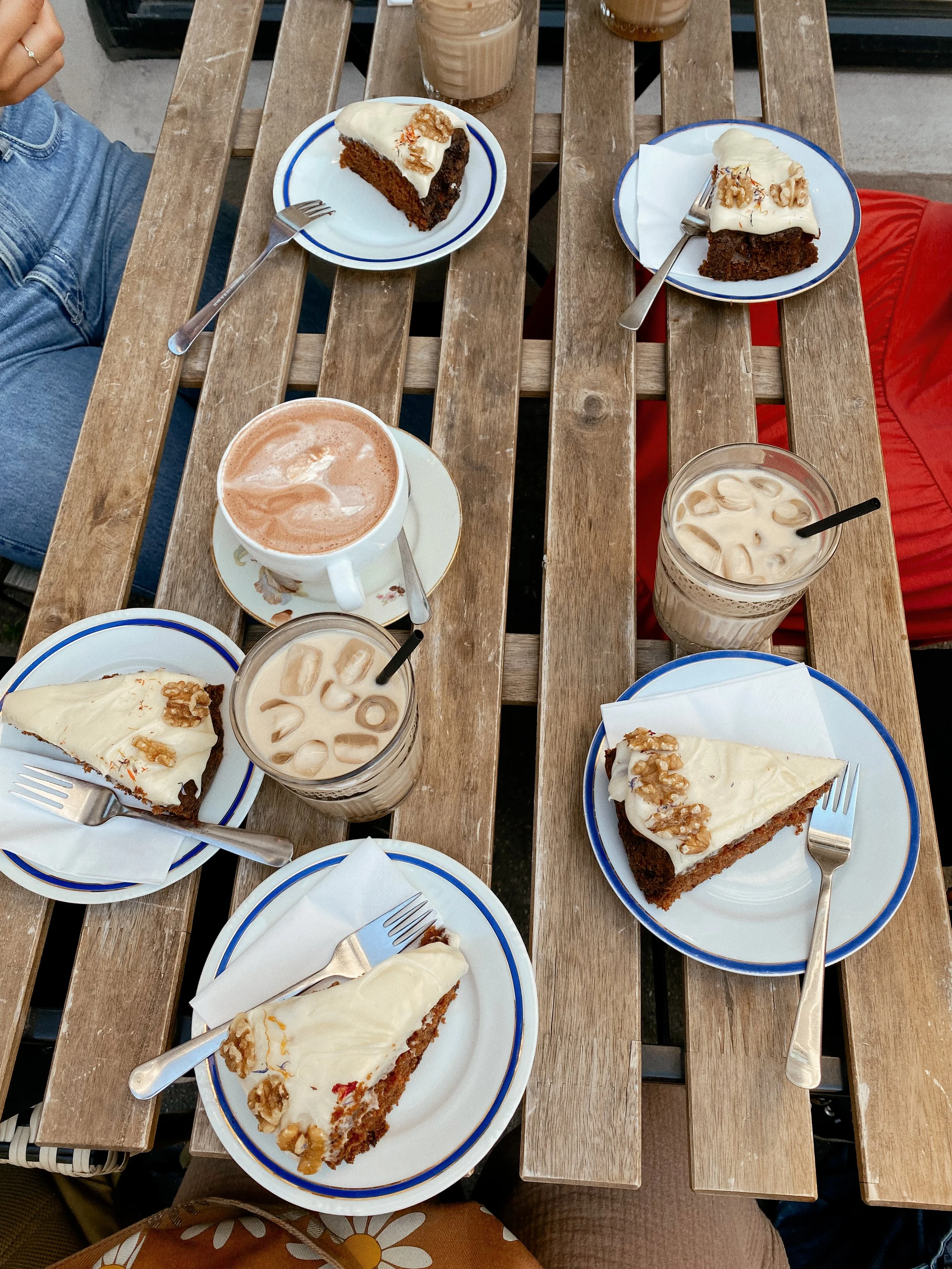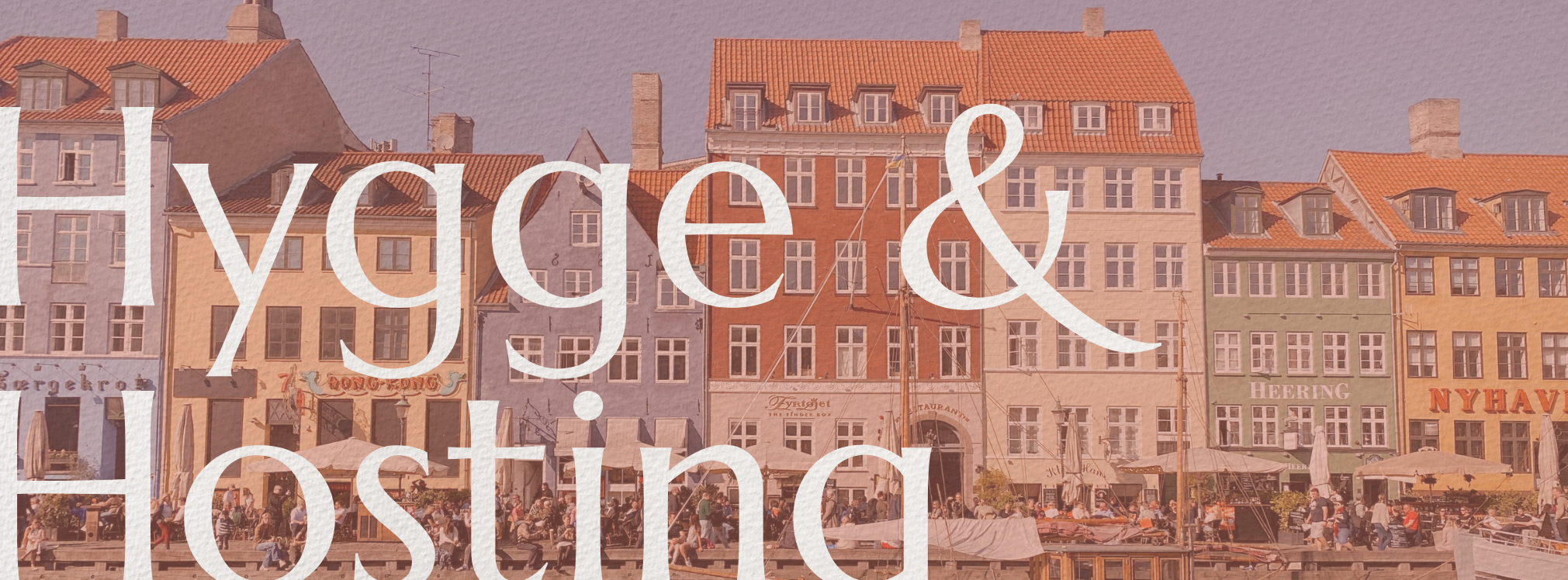
When I think about the places, people, and tables that impacted me the most when it comes to hosting, all roads point back to a Scandinavian city that sits at the edge of the sea. A place where bikes outnumber cars five to one, cobblestoned streets connect magical harbors, and every table feels like home. I had the amazing privilege to spend two months in Copenhagen, Denmark the summer between my sophomore and junior year of college with three of my close friends. During my time in this city, I got a window into how a city that is mostly cloaked in darkness for five months out of the year can contain the happiest people on earth. Whether it was grabbing coffee and pastries at a local cafe, sitting down for an impromptu picnic in Frederiksberg Gardens, or accepting the invitation into the home of one of my Danish friends, the experiences I had in Copenhagen have forever shaped my approach to hosting and homemaking. And at the center of it all is a five-letter Danish word that I still can’t quite pronounce…hygge.
Hygge and hosting
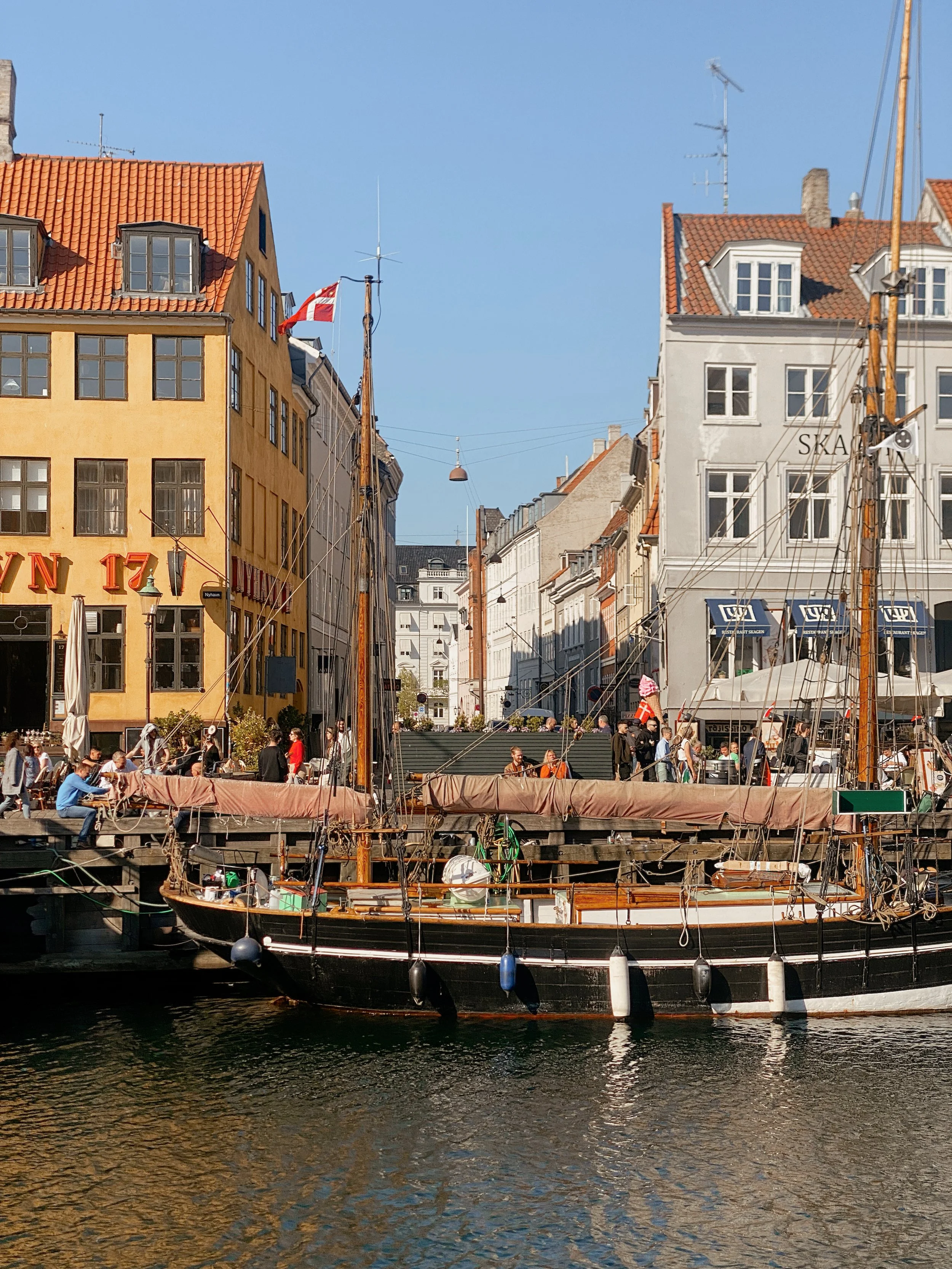
When I first heard the word hygge from one of my Danish friends that summer, I remember going back and forth for what felt like forever trying to pin down a working definition that I could wrap my head around. By the end of the conversation, I still couldn’t understand what the word meant. Throughout our summer there, it kept coming back. Each time, I would ask for a definition, and every time I was told something different. As the weeks went by, we got close with two girls named Anna and Benedikte. Instead of asking them “What is hygge?” I started to ask them “Is this hygge?” And, to my surprise, the answer was often “Yes!” Playing cards with a spread of fresh berries and cookies at the park? Yes! Sharing carrot cake at our favorite bakery? Yes! Walking around the shops of Nyhavn? Yes!
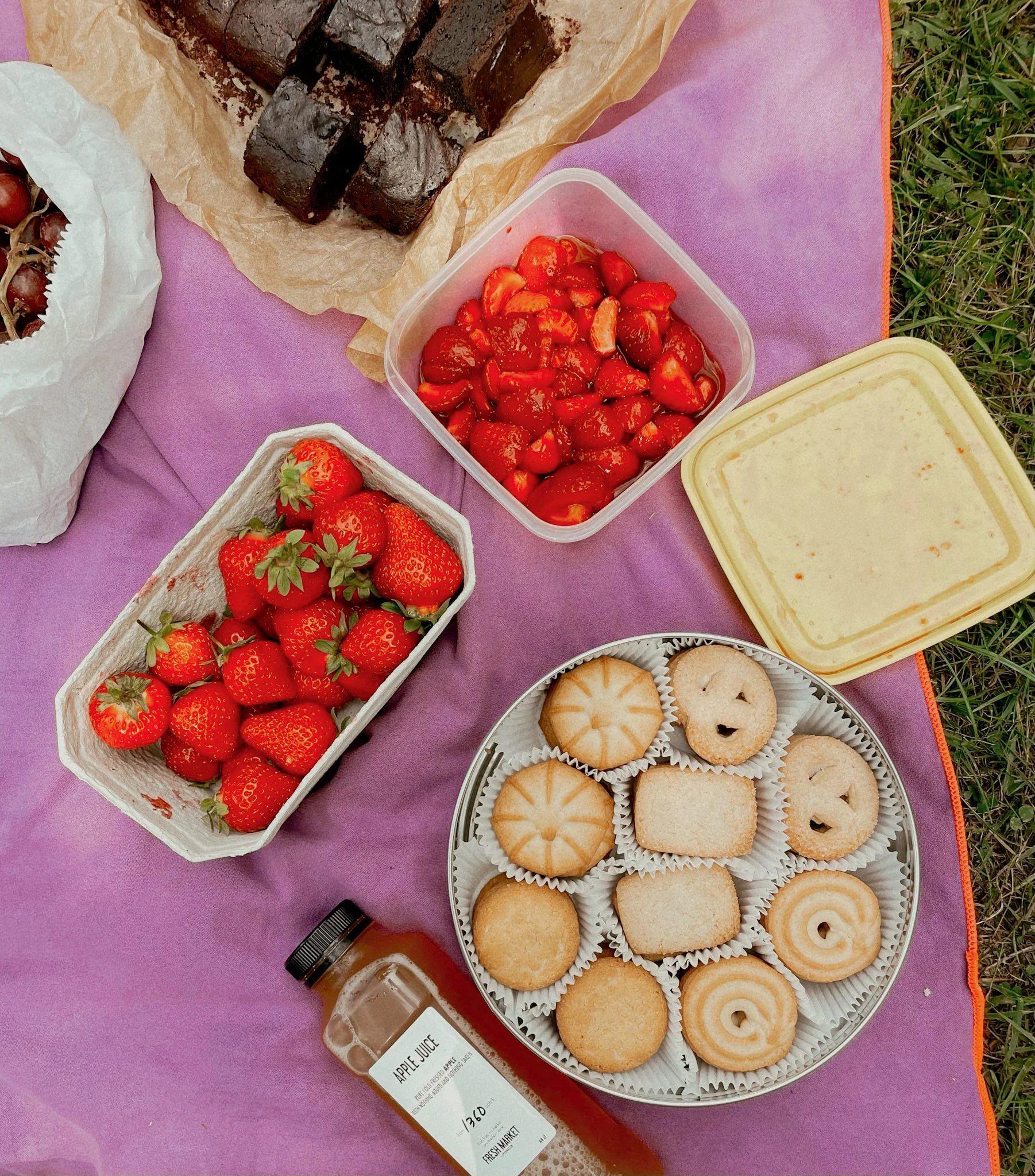
And as I started to collect these experiences and fall deeper in love with this magical city, I started to understand the essence of hygge. I simply needed to stop searching for a definition and to start to dive into the feeling of hygge. This ancient norwegian word that is most commonly translated as “coziness,” contains a multitude of meaning, feeling, and depth. Hygge encapsulates an infinite amount of experiences that result in a deep sense of contentment or belonging or security or joy or all of the above.
It is this word, its many definitions, and how it sits at the center of Danish culture that I believe makes hosting and homemaking in Copenhagen so radically different from what I had experienced before. While I could go on and on about all of the things I took away from this time, I have narrowed it down into three lessons that I hope you can take into your approach to hosting as well:
Less is more
Slow down
Seize EVERY opportunity for hygge
Less is more
Much of hosting in America has been hijacked by consumerism and is structured for content. I am sure that elements of this are present all throughout Europe and specifically in Denmark, however, I think that because hosting is so central to culture in Copenhagen and because of the simplicity of hygge, many of my experiences taught me that less is more.
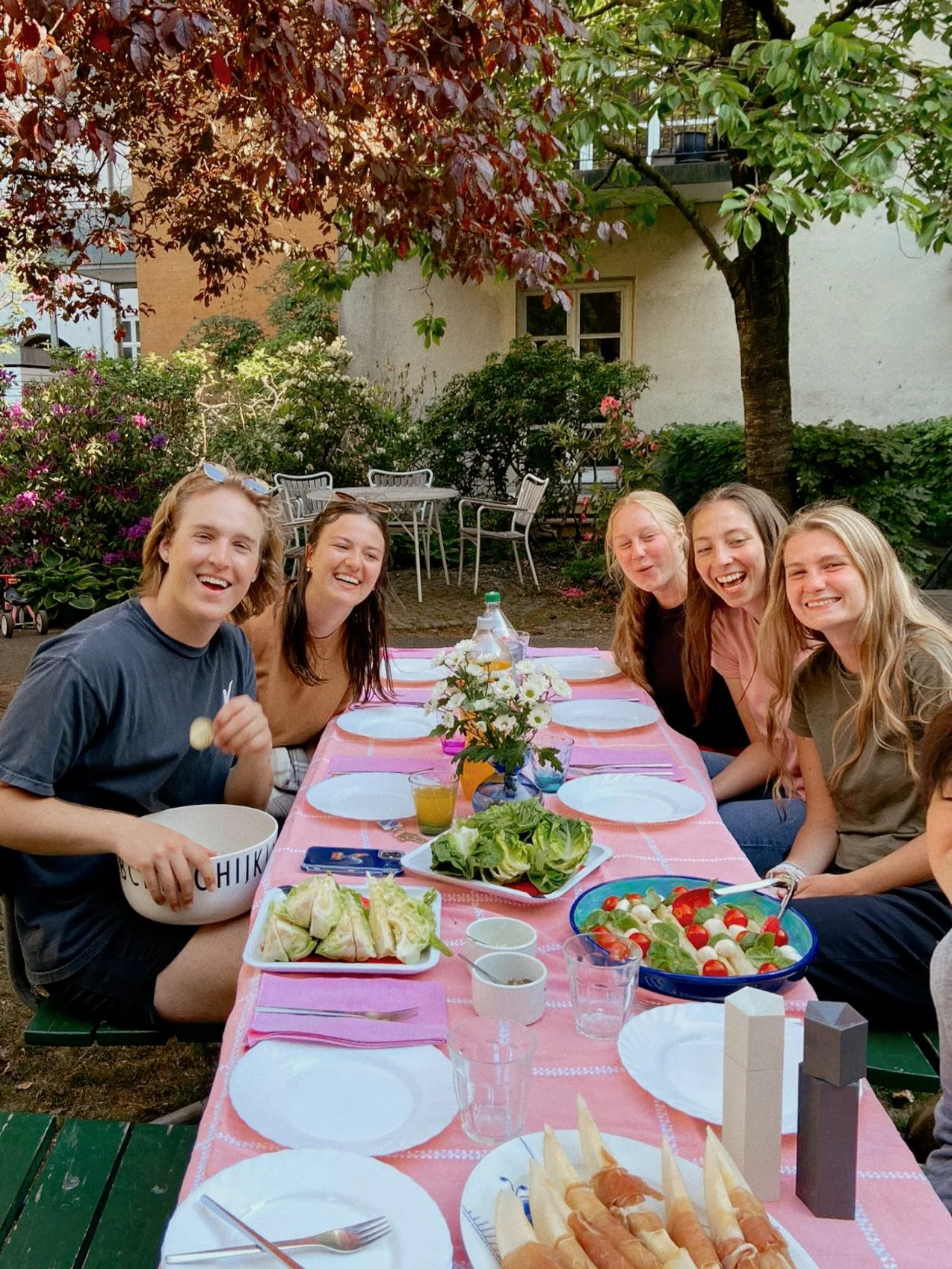
About halfway through the trip, a couple from the church that we were attending while in Copenhagen invited us over for dinner. When we arrived at their lovely apartment right off of Nyhavn, our hostess led us to a courtyard in the midst of the buildings where a simply picnic table, lined with a tablecloth, simple white dishes, and a singular vase of flowers. Her husband was soon down with plates of prosciutto wrapped cantaloupe, a caprese salad, as well as some authentically danish dishes. There were no elaborate place settings or picturesque centerpieces. There was no strict plan for the evening. Just a simple dinner shared around the table in the beautiful summer weather of Copenhagen. It was by far one of our favorite evenings of the whole summer.
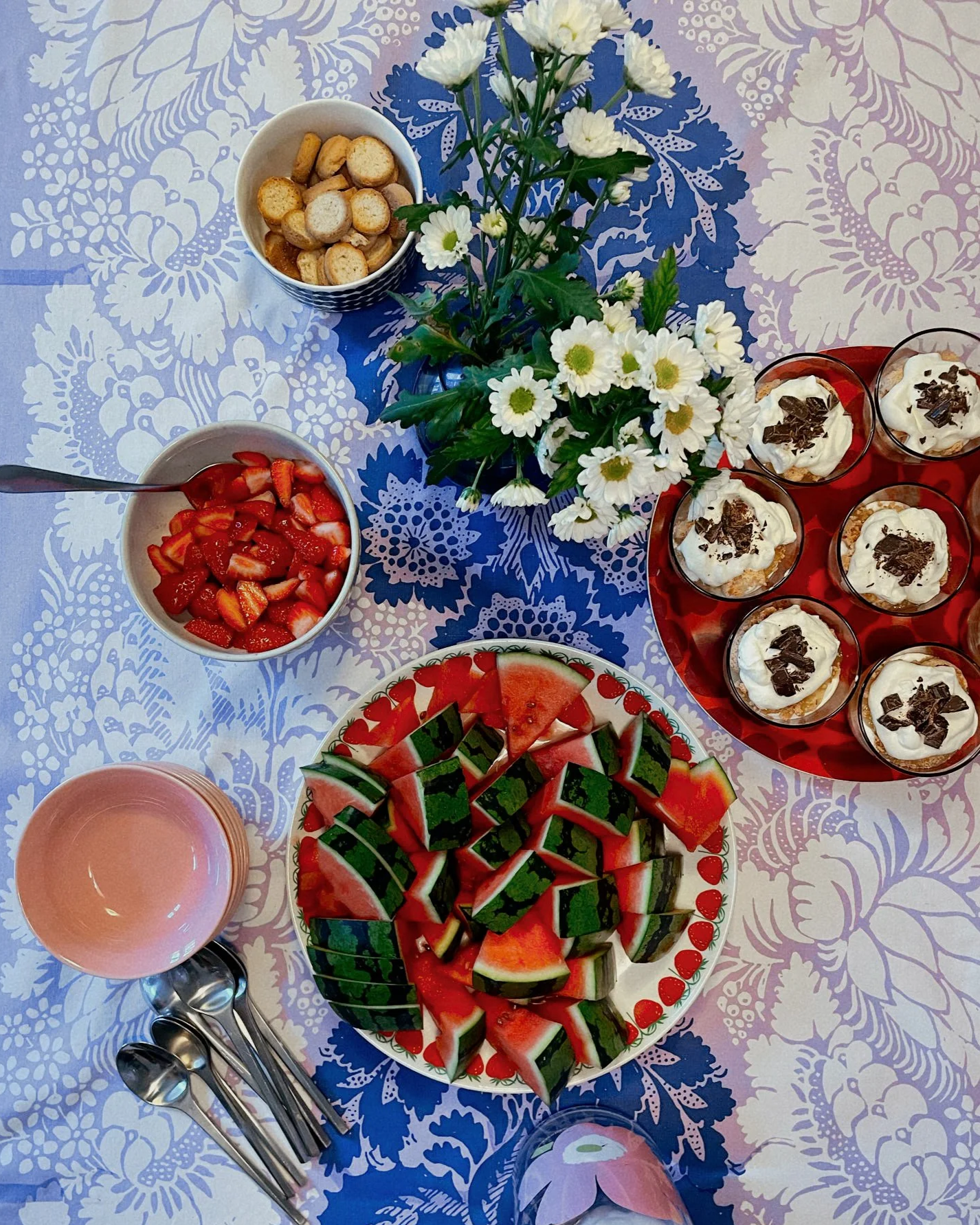
When the less is more mentality is embraced, consumerism is replaced with contentment, content is replaced with authenticity, and maximalism is replaced with intentionality.
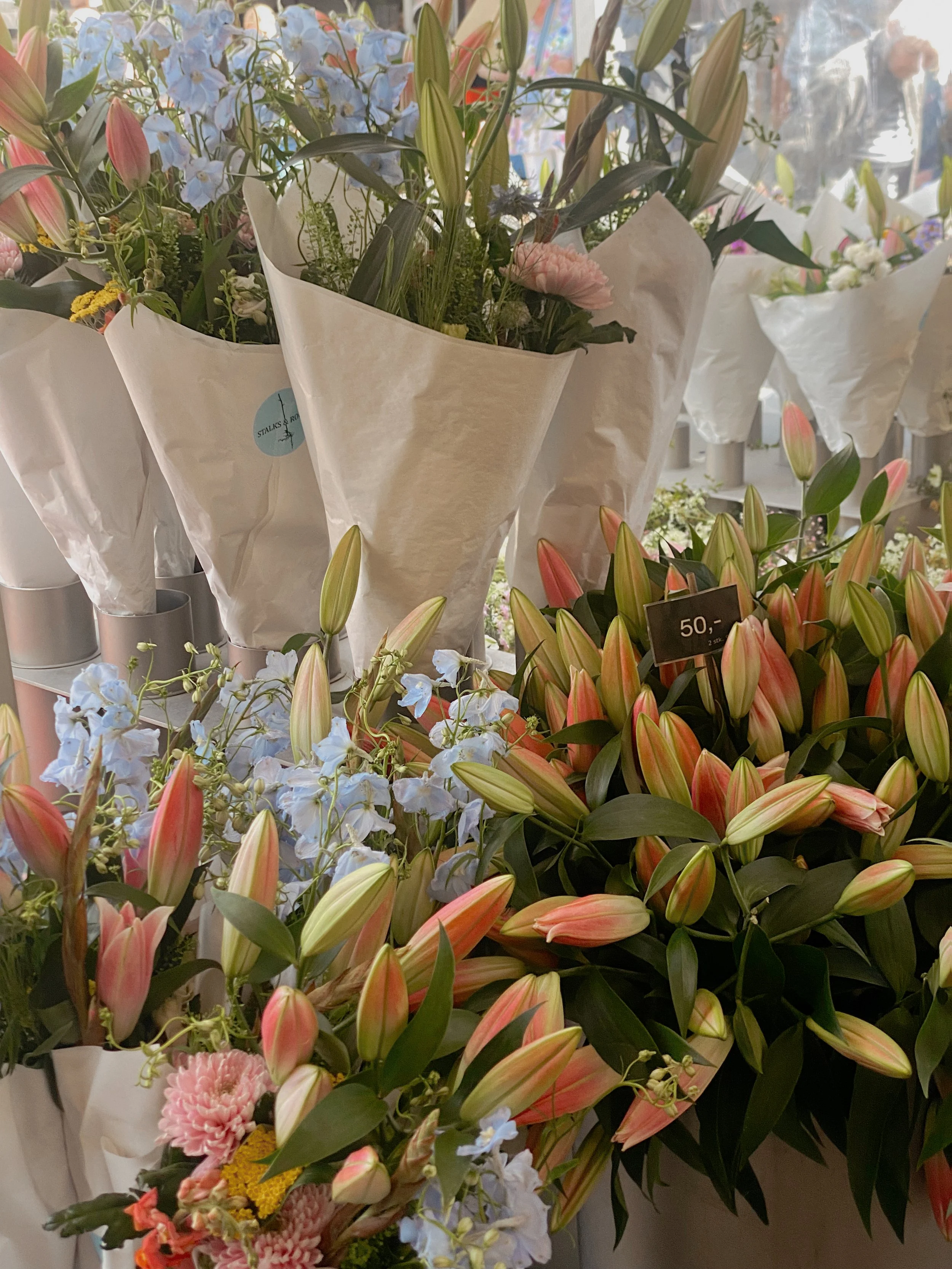
When the less is more mentality is embraced, consumerism is replaced with contentment, content is replaced with authenticity, and maximalism is replaced with intentionality. That last piece of it is truly my favorite—intentionality. When we restrict ourselves to host with less, every item on the table or food on the menu or whatever we offer our guests, while decreasing in quantity, increases with meaning. When I think back to that evening in the courtyard, I recall the vase of flowers and it takes me back to streets lined with tulips and Saturday market stalls bursting at the seams with florals. More than the things on the table however, I remember the faces and the stories. Undistracted by elaborate hosting tactics, guests can immerse themselves in the glances shared and conversations had.
Now the dangerous part of embracing the less is more mindset would be going so far to where less is…well…less. No guest wants to enter into a space where they feel un-welcomed and unprepared for. If we get to the point where we are doing little to nothing to host, we have severely missed the mark. Now, there is nothing wrong with inviting people into your day-to-day life, your normal friday family dinner; in fact, I strongly suggest doing that! However, when our hosting dwindles down squeezing a guest into what we are already doing rather than creating a space that feels invitational and intentional, we can leave those around us feeling brushed aside or…worse…as a burden. Intentional hosting should cause us to slow down (more on this very soon) and to create space, physically and emotionally for our guests. A simply set table, a prepared dish that is one of their favorites, or a conversation with direction can work individually or (even better) together to impact our friends, family, or whoever we are hosting in a genuine and impactful way.
Slow down
As I previously mentioned, intentional hosting should cause us to slow down. Why? Because in a fast-paced, task-oriented culture slowing down provides an opportunity for gratitude, lets our guests know how valued they are, and creates a pace of authenticity.
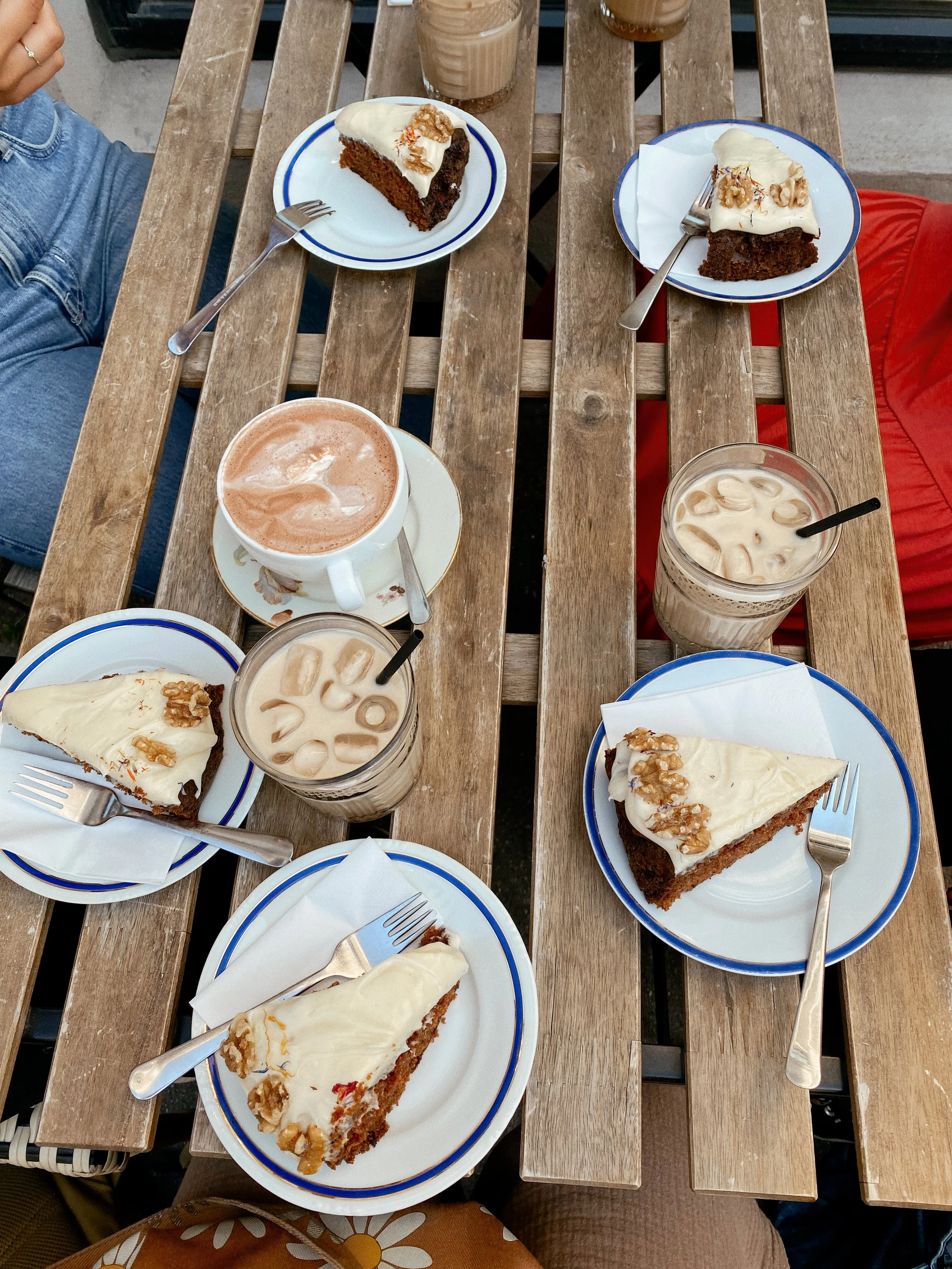
When we first arrived in Copenhagen—a group of four American girls—we knew little-to-nothing about European or Danish culture. As we started to make friends and plan hangouts with them, we would go through the normal motions of texting back and forth about a date, a place, a time. In our planners or Google calendars, we would allow these to take up a block of one, or maybe even two, hours each. And, as we Americans do, we would pack our schedule with back-to-back items. As we began to step into these coffee dates, picnic brunches, or walks through the garden, we were quickly confronted with a big problem…our Danish friends had a very different definition of a “hangout” than we did. In America, we were used to a structured 1-2 hour conversation over coffee or a meal that could fit into our normal, busy rhythms. A stop at Starbucks in between work meetings, a quick lunch on our break, a Friday evening dinner before date night. Our Danish friends, however, were looking forward to an unstructured, undefined time together where the only plan was…hygge. As coffee at a cafe turned into carrot cake at a nearby bakery turned into “Let’s walk at the gardens nearby” turned into “My favorite spot at the harbor is just a quick bike ride away,” we started to learn how to slow down and “go with the flow.” We quickly gathered that a hangout starting at 2:00pm probably meant we shouldn’t schedule anything the rest of the day.
At first…if I’m honest…this bothered me. How was I supposed to plan anything? How was I supposed to know what to expect? How to plan? How to dress? But as I shed off my scratchy, structured, outer layers born and sustained by years of living life at this strict, fast pace…I began to see the beauty of being unhurried. As a guest, I felt so incredibly loved that our Danish friends were willing to spend so much time with us and that they wanted to invite us into so many different aspects of their lives. Their favorite views, their comfort foods, friends of their own—they wanted to share all of these things with us no matter how much time it took.
It is this kind of unhindered, unstructured invitation into their lives that was so compelling to me. This invitation was not one that you could manufacture or a perception to control, but an authentic opening up of their lives and love for us. Many times when we are hosting, we are not opening up our lives but curating a picture of what we want others to perceive our lives to be…in the most efficient way possible. It’s kind of like going and visiting France in Epcot at Disney World instead of visiting the real thing. It might look nice and the food might even taste pretty good…but deep down you know you’re missing the authentic experience. And if there is anything that hygge is NOT, it’s inauthentic.
When it comes to hosting, what I have taken away from these experiences is to trade efficiency for open-ended invitation. Instead of planning something with a set end-time or stacking plans, open up your day and your home to people. I am not saying that you have to devote eight hours of your life every weekend to hosting (although I probably would if I had it my way), but what if instead of rushing people out of your home at the end of the night, you bookended your time with space to let conversations spill over, allow dinner to evolve into a game night, or had one of your guests suggest something completely spontaneous. If time is money, challenge yourself to be generous with those around you.
Seize every opportunity for hygge
Throughout writing this blog post, I have found it hard to pinpoint exact times or spaces where “hosting” or “hygge” was happening. In stepping back and reflecting on why, I realized it was because it was kind of happening…all the time! My Danish friends never needed a scheduled event or a reason to invite, to be intentional, to embrace “hygge.” I stopped feeling like I had to have a planned out event complete with invitations, decorations, and activities in order to host. Instead of waiting until I felt “ready” to host or until I had a “reason” to, I started to look for every opportunity to! Having some friends over to watch a sports game? Eating lunch with some people after church? Invite them into your life and create an intentional space without overcomplicating it! It doesn’t take much to turn something ordinary into something hygge.
Making do with what you have is absolutely key to this. You absolutely don’t need to wait until you have the right sized house or a big backyard or pottery-barn-level-tablescaping to host. Light some candles, pull out your mismatched dishes, and open up your home!